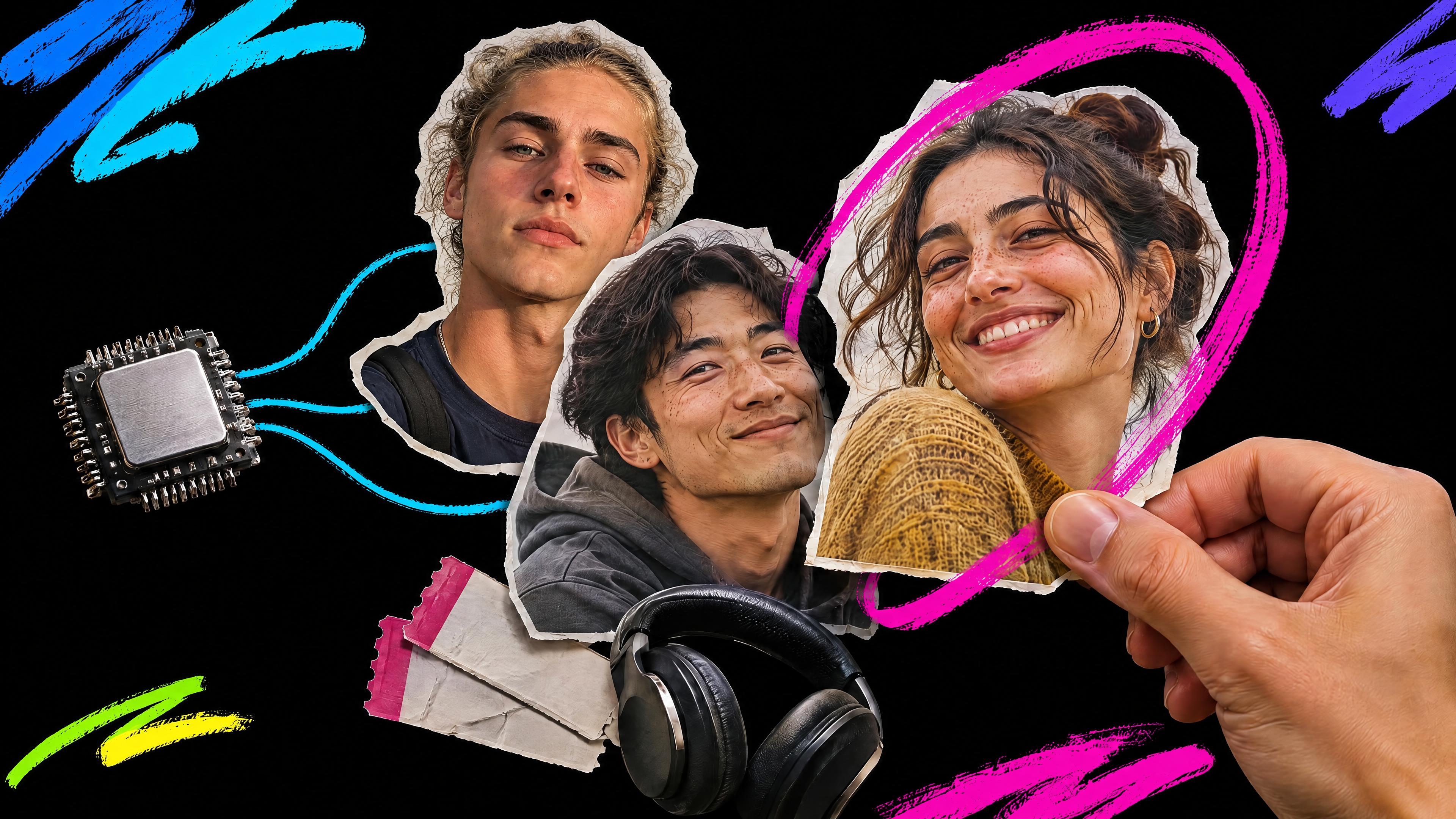

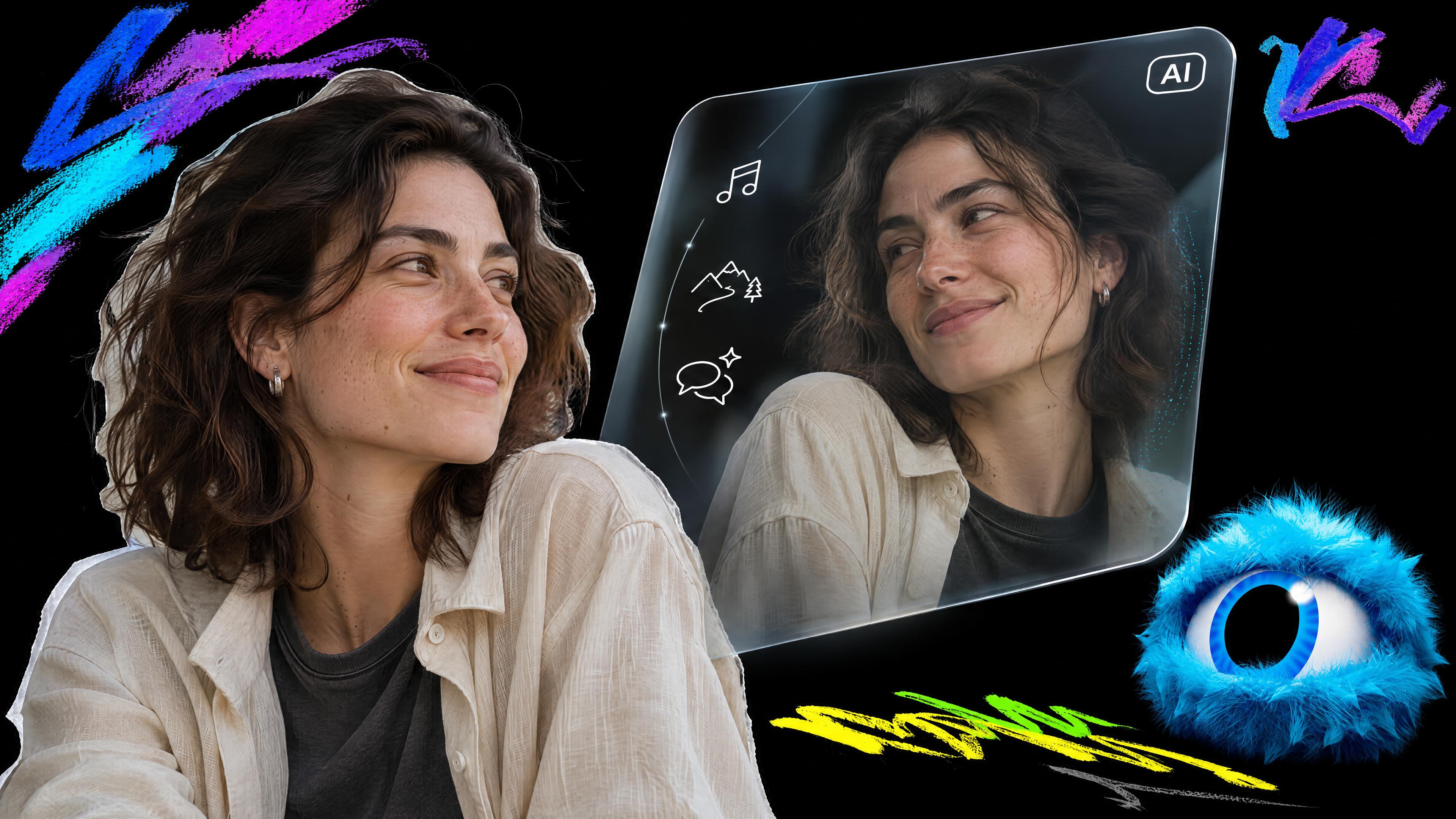
An AI digital twin in dating is an interactive AI representation associated with a person's profile. It can generate responses about information connected to that profile, but its replies should not be treated as messages personally written by the individual.
That distinction matters when deciding what you have learned. An AI exchange might suggest a topic you want to ask about. The person still needs to speak for their own interest, availability, boundaries, and decisions.
What Wink means by Digital Twin
Wink's official product description defines Digital Twin as an interactive AI version of a profile, built from information the user chooses to share. It says these representations are labeled as AI and that their owners can edit or turn them off.
The purpose described is to let people explore profile interests and personality before a direct conversation. That makes the feature relevant to discovery. It does not turn a generated reply into a personal promise from the profile owner.
For the broader differences between recommendations, writing assistants, and profile representations, see our guide to how AI dating apps work. This article focuses on how to interpret a Digital Twin exchange and carry useful questions into a human conversation.
Recognize which kind of conversation you are having
Several experiences can involve AI, but they do different jobs. A writing assistant might help you revise a sentence that you review and choose to send. A Digital Twin generates responses as an AI representation of a profile. A direct message is part of an exchange with the person, although you cannot assume every sentence was written without assistance.
Check the label and context before interpreting a reply. A first-person sentence such as "I love live music" can sound personal even when it was generated. The conversational tone does not change who or what produced it.
If you cannot tell which experience you are using, pause and look for the feature explanation. Avoid sharing sensitive details or acting on a supposed agreement while the source of the response is unclear.
Use it to find a question worth asking
Imagine a fictional profile that mentions urban photography, cooking, and weekend train trips. An AI exchange about those interests could leave you curious about which places the person likes to photograph. That is a useful starting point for a direct message.
You might write: "Your profile mentions photography. What do you find yourself taking pictures of most often?"
Notice what that message leaves open. It gives the person room to describe their interest in their own words. It does not assume that they own particular equipment, work professionally, or want a photography date.
If a detail appeared only in the AI exchange, acknowledge that uncertainty: "Your Digital Twin mentioned landscape photography. Is that something you're into?"
Avoid presenting the exchange as a shared memory with the person. "We already talked about your favorite places" could be misleading if the conversation happened with their AI representation. Naming the source keeps the introduction clear.
This is an illustrative example, not a transcript or a claim about a particular response the app will produce.
Confirm anything that would affect your decision
Treat important details as questions for the person. Relationship intentions, willingness to meet, current plans, and consent to intimate conversation all deserve a direct answer.
For example, if an AI response suggests that someone enjoys spontaneous plans, you still need to ask whether they want to meet you and when. A general description of spontaneity says nothing definite about their availability on Friday.
Likewise, a warm or flirtatious generated response is not the person's consent to sexual messages or physical contact. Their own boundaries apply regardless of the tone of the AI exchange.
You might ask: "I'd like to get to know you directly. Are you interested in chatting?" If they decline or do not engage, an earlier AI conversation is not a reason to pressure them.
Leave room for mistakes and missing context
Generative AI can produce confident statements that are inaccurate or unsupported. The National Institute of Standards and Technology's generative AI risk profile describes this problem as confabulation. This is a general limitation of generative AI, not a finding about how often a specific Wink feature makes mistakes.
In practice, avoid turning a plausible answer into a fact about someone. If the response says they are an experienced climber but their profile simply mentions enjoying the outdoors, ask the person rather than filling in the gap yourself.
A difference between the AI response and the person's answer is not, by itself, proof that the person lied. The generated wording may have been inaccurate, or the available information may lack context. Let the person explain their current preferences. You can still decide that the connection is not for you.
Think about what you want your own profile to represent
If you choose to use an AI profile representation, start with information you are comfortable sharing. Describe your interests accurately, and be careful with statements that could imply a commitment you are not making.
For example, "I enjoy occasional day hikes" says something different from "I'm always ready for an adventure." The second phrase may be fun, but the first gives another person a clearer idea of your actual routine.
Use the editing controls the service provides to keep your representation current. If you are uncomfortable with how it represents you, disabling an optional feature is a reasonable choice. Wink says owners can edit or turn off their Digital Twin; consult the current app instructions for the available controls.
If someone raises an inaccurate detail, a direct correction can help: "That description isn't quite right. I enjoy cooking at home, but I'm definitely not a trained chef."
Check privacy questions before adding personal details
Read the service's feature explanations and privacy policy before sharing information you would not want widely known. For Wink, start with the official privacy policy.
Useful questions include what information contributes to the representation, who can see or interact with it, how interactions are stored, and what editing or disabling changes. If the explanation does not answer a question that matters to you, ask support before providing that information.
Do not assume that turning a feature off deletes all associated information. Disabling a feature and deleting stored data are different actions; check the provider's current terms and controls for each. Avoid including another person's private messages or identifying details just to make your own representation more detailed.
Frequently asked questions
Is an AI digital twin the same as a fake profile?
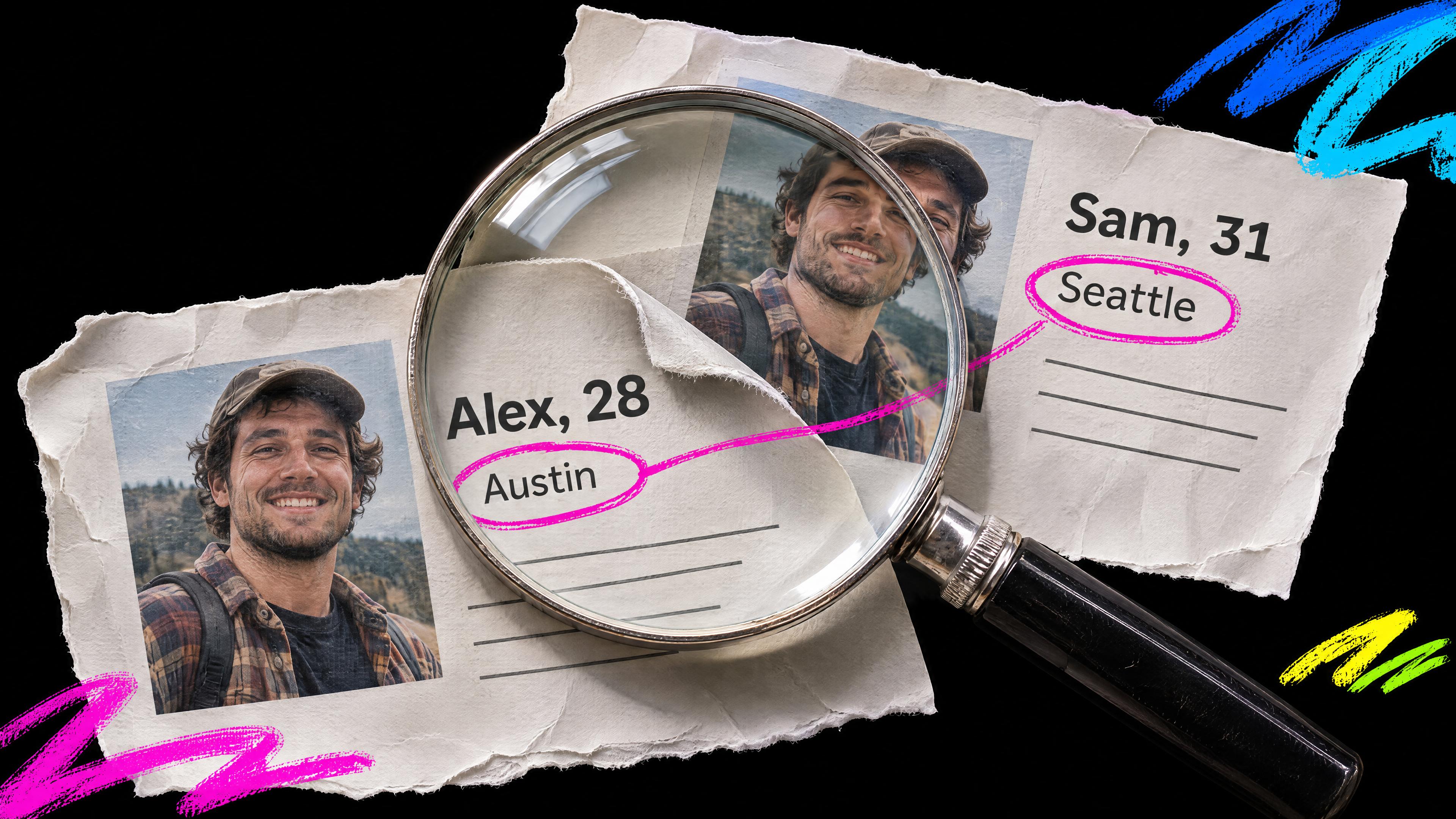
A clearly labeled AI representation of a profile is different from someone deceptively impersonating another person. However, an AI label alone does not verify the identity or intentions of the profile owner.
Can it tell you whether someone likes you?
An AI-generated reply cannot establish the person's interest in you. Ask them directly and pay attention to whether they choose to continue the conversation.
Should you speak to the person after using their Digital Twin?
If you want to build a connection with them, a direct conversation is the next meaningful step. Bring your curiosity, allow them to correct assumptions, and respect their choice about whether to engage.
Does a convincing AI conversation guarantee chemistry?
No. Your reaction to generated responses does not establish how the two of you will feel or interact. Use the experience as an introduction, with room for the person to surprise you.
To explore AI-assisted discovery, learn more about Wink and choose which conversations you want to pursue yourself.
👉 Download Wink to explore connection with honesty, warmth, and ease.