

To make friends in a new city, choose activities you can attend repeatedly, talk to the people you see there, and follow a promising conversation with a small, specific invitation. Give yourself several chances to get to know someone. A pleasant introduction is a beginning, and friendship usually needs more time together.
You do not need to fill every evening or become the most outgoing person in the room. A workable starting point is one regular activity, one additional way to meet people, and enough room in your schedule to follow up.
Choose something you can return to
A weekly class or regular volunteer shift gives you a reason to see the same people again. That makes a second conversation easier to begin: you already know the setting and have something in common to discuss.
Look for a group you would enjoy even if you did not make a friend on the first visit. A beginner sports session, library discussion group, community garden, language exchange, or craft class could fit. The right choice depends on your interests, budget, access needs, and available time.
Before committing, ask the organizer a practical question: “Do people tend to come each week, and is there a way for a newcomer to join in?” For a sports group, check the expected skill level. For a class, find out whether there is time to talk rather than only listen.
Research by Jeffrey Hall examined adults who had recently moved and first-year students. It linked time together, particularly shared leisure, with growing friendship closeness. The studies do not give every adult a deadline for making friends. They offer a useful reason to make room for repeated contact instead of judging your prospects after one outing.
Pick places that fit your actual week
An appealing activity across town may be harder to sustain than a modest one you can reach after work. Consider the journey home, the cost of returning, and whether the schedule leaves you any energy to talk.
Useful places to look include:
Public library and parks-department calendars for adult groups, workshops, and neighborhood activities.
Local nonprofits offering recurring volunteer shifts with a clear shared task.
Beginner classes, recreational leagues, and hobby groups that welcome people joining alone.
Alumni, professional, cultural, or faith communities you already feel comfortable being part of.
Friends of existing friends who are open to making an introduction.
Check current schedules with the organizer. “Free to join” does not always mean an activity has no equipment or transport costs. If money is tight, choose something you can keep attending without worrying about an expensive group plan afterward.
You can also tell people you already know that you have moved: “I'm settling into the area and would love an introduction if you know someone who enjoys hiking or live music.” Make it an invitation they can pass along, rather than an expectation that they arrange your social life.
Start with the thing you are doing together
You do not need a clever opening line. Use the shared setting and add a little information about yourself.
At a class:
“Is this your first course here? I moved recently and wanted something creative to do after work.”
At a volunteer session:
“Have you done this shift before? I'm still working out where everything goes.”
At a board-game group:
“I haven't played this one, but I'm happy to learn. Is there room for another beginner?”
Let the answer shape what you say next. If someone mentions another event, ask what they like about it. Share your own experience when you have one. The aim is to discover whether you enjoy talking, not to collect personal details.
Our guide to keeping a conversation going is written for dating chats, but its advice about responding to a specific detail can help with a new friendship too.
Turn a familiar face into a small plan
After a good conversation, propose something easy to understand and easy to decline. A short extension of an activity you already share often needs less coordination than a whole evening together.
For example:
“I enjoyed talking about that film. I'm going to the library screening next Thursday. Would you like to meet there?”
Or:
“Are you coming to the class next week? If you are, want to get lunch nearby afterward?”
If they say they are busy, leave room for them to suggest another time. A decline is not necessarily a judgment about you. Repeated unanswered invitations are a reason to direct your effort elsewhere, though. You should not have to persuade someone to participate.
If you exchange contact details, follow up with the context: “It's Maya from Saturday's garden session. Good talking with you about balcony plants.” Use your own name and the real detail, of course. That is more helpful than a message that makes them guess where you met.
Use apps as one way to find people
Be specific about the friendship you have room for. “New in town and looking for friends for weekday walks and occasional museum visits” gives someone a clearer invitation than “Trying to meet people.” Share a general area you are comfortable meeting in, rather than your exact address or daily route.
Wink's product information describes support for friendship and shared activities as well as dating. Wink Social is the separate friendship-focused app. Check which product suits what you want, and say plainly when your interest is platonic.
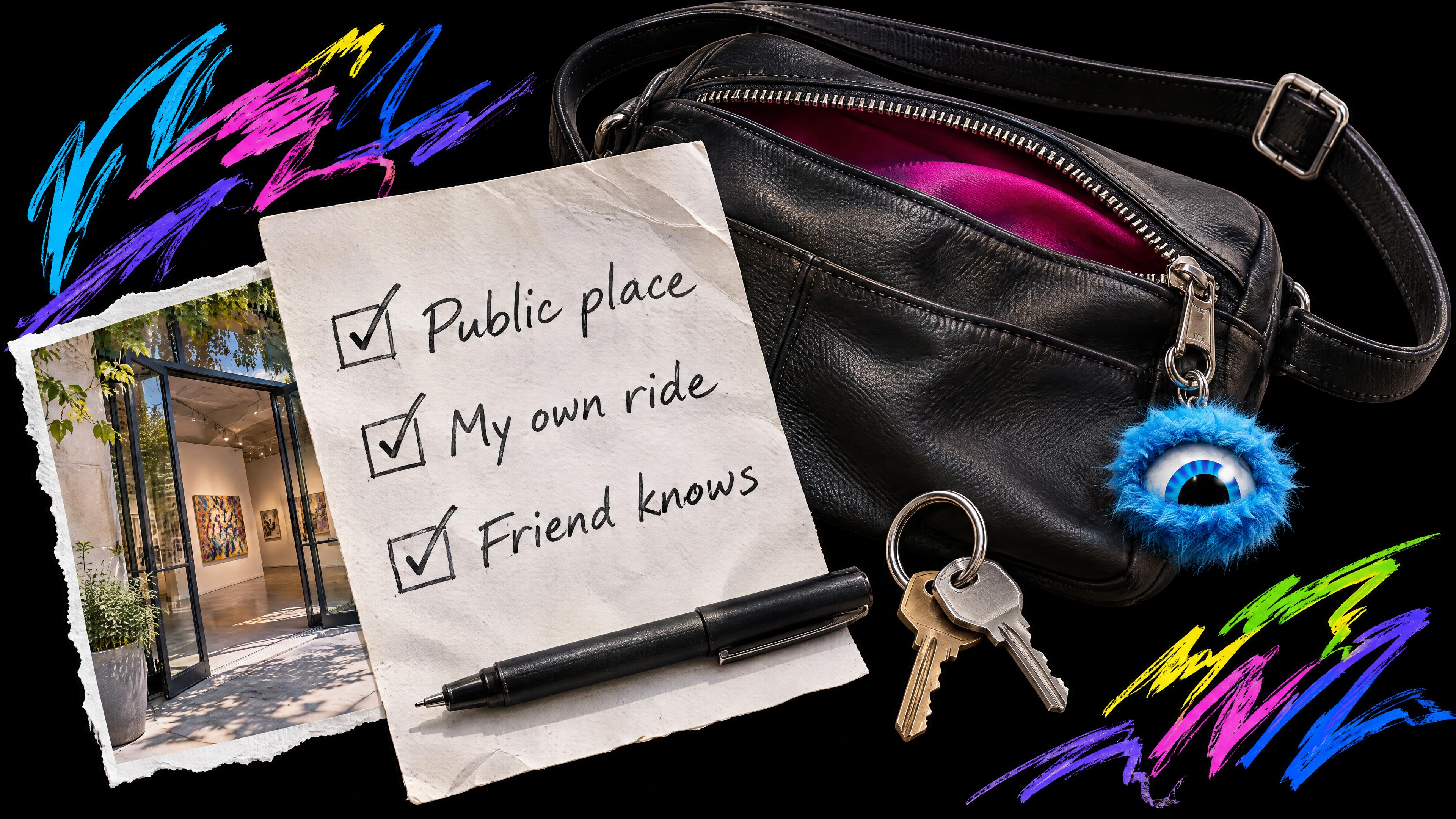
If a conversation feels mutual, suggest a public activity that matches what you discussed. Keep control of your transportation and let someone you trust know the plan. Online familiarity does not establish that a person is safe, and you can decline a private-home invitation while still being open to meeting elsewhere.
Try a four week plan you can repeat
This is a suggested routine, not a promise that you will have a close circle in a month. Adjust it for shift work, caregiving, disability, money, or simply how much social time you want.
Week one choose and show up
Find two realistic options and attend one. Learn the organizer's name, speak to someone briefly, and decide whether the setting feels welcoming. Put the next session in your calendar if you want to return.
Week two return and reconnect
Go back to the same activity. Say hello to someone you recognize and ask about something from your last conversation. You can try the second option too, but keep enough time to return to the first.
Week three make one invitation
Invite someone you have enjoyed talking with to a small plan, such as a public market after the group walk. If they cannot come, keep attending the activity rather than treating one answer as the verdict on the whole group.
Week four notice what you want to continue
Ask yourself where you felt comfortable and who seemed interested in seeing you again. Keep the activity you enjoy, follow up on any mutual plans, and replace a setting that consistently feels unwelcoming or impractical.
Progress might be recognizing people, having a conversation without starting from zero, or knowing who you would like to invite next. You can value those steps while still wanting a closer friendship.
Common questions about making friends after a move
How do I make friends if I am introverted
Choose a setting with a shared task or smaller group, arrive with one simple question in mind, and give yourself permission to leave after the activity. You can build a friendship through shorter conversations and repeated contact. You do not need to perform enthusiasm for a busy social calendar.
How long should it take to feel settled
There is no deadline. Your schedule, the people you meet, and whether you see each other again all matter. If an approach is exhausting or produces few opportunities for conversation, change the approach. Keep in touch with existing friends while you build local connections.
What if everyone already seems to have friends
People can have an established circle and still welcome a new connection. Look for groups that introduce newcomers and activities where participation has a clear place for you. You can ask an organizer for help joining a table or team instead of trying to enter a private conversation.
If you want another way to meet people, learn about Wink Social and its friendship focus. Start with an honest description of what you enjoy, then make room for a small plan you would actually like to keep.
👉 Download Wink to explore connection with honesty, warmth, and ease.