

To keep a dating app conversation going, respond to something the other person actually said, share a related detail about yourself, and ask a follow-up that is easy to answer. Look for effort from both sides. You can offer a conversation a fresh opening, but you cannot supply another person’s interest.
The first message went fine. Then came “haha,” “nice,” or a question you have already answered twice. It is tempting to search for a more impressive line. Often, the useful next move is smaller: return to a detail that has not been explored.
The sample exchanges below are illustrative. Adapt the wording to the conversation you are having.
Work out what is making the chat difficult
A chat can slow down because someone is busy, the topic has run out, the questions feel repetitive, or the interest is uneven. A delayed reply alone does not tell you which explanation fits.
Look at the exchange over time. Does the other person add details when they do respond? Do they return to something you mentioned? Can they express curiosity without you prompting every turn?
Some people ask fewer direct questions but still contribute stories, observations, or thoughtful replies. Notice that effort too. The goal is an exchange both people help sustain.
If you have not sent a first message yet, start with our dating app opener guide. Here, we are picking up after the introduction.
Follow a detail before changing the subject
A chat that stalls
You: “How was your weekend?”
Them: “Good. Tried a climbing class.”
You: “Nice. What do you do for work?”
The second question drops the most interesting part of their answer.
A more connected reply
You: “A first climbing class sounds fun. I tried one and spent half the time figuring out where my feet went. What made you sign up?”
Them: “A friend talked me into it. I was nervous, but I want to go again.”
You: “That sounds promising. Did you enjoy solving the route or getting to the top more?”
You have offered a small story of your own and given their experience some room. Do not invent a shared hobby to make this work. If you have never climbed, say you are curious about what it was like.
Research on question-asking found that asking questions, particularly follow-ups, was associated with being better liked in live conversations. Those studies were not direct tests of today’s asynchronous dating-app chats. They support paying attention to someone’s answer; they do not establish a guaranteed response rate.
Give the other person something to work with
Questions alone can make a conversation feel like a form. Add enough of your own perspective that the other person can choose a thread too.
A brief answer
Them: “What do you like doing after work?”
You: “Mostly cooking.”
An answer with an opening
You: “Lately I’ve been trying to make decent stir-fry without setting off the smoke alarm. What is your reliable weeknight meal?”
That reply gives context and leaves room for humor, a recommendation, or a shared experience.
Keep the balance natural. You do not need to match their word count or attach a question to every message. If they send an interesting story, responding to the story may be enough.
Switch topics when the current one has run out
Sometimes you have both said everything you want to say about work. You can change direction without pretending the conversation is failing.
For example:
“We have established that both our inboxes are a problem. You mentioned live music in your profile. What was the last show you really enjoyed?”
Or:
“I realized we’ve talked about our weekends but not that ceramic mug in your photo. Did you make it?”
Use a public profile detail or something they shared in the chat. Avoid bringing up information you found by searching for their workplace, relatives, or private accounts.
If the new topic gets another minimal response, leave room for them to take a turn. Sending three more questions rarely makes the exchange feel less demanding.
Restart a quiet chat without demanding an explanation
One relevant follow-up can be reasonable when the conversation previously felt mutual. It should be easy to answer and comfortable to ignore.
For example:
“I tried the podcast you recommended. The opening story surprised me. Have you listened to the next episode?”
Or, if there is no natural callback:
“I enjoyed talking with you. If you’d like to pick this up, I’m still interested.”
Avoid messages such as “Guess you’re too busy for me” or “Did I do something wrong?” A new match does not owe you a detailed account of their day.
If a follow-up goes unanswered, let the conversation rest. That is a practical boundary, not a scientific rule about the perfect number of messages.
Suggest a call or date when the interest feels mutual
You do not have to keep a good conversation in text indefinitely. If you both contribute, enjoy the exchange, and feel comfortable, offer a next step.
A call invitation might be:
“I’m enjoying this. Would you be up for a short call sometime this week? Happy to keep chatting here if you prefer.”
A date invitation might be:
“You mentioned wanting to try that downtown coffee spot. Would you like to meet there Saturday afternoon?”
Give the other person a real option to decline or suggest another time. If they want to chat longer, respect that. Do not pressure them to share a phone number or move to another platform.
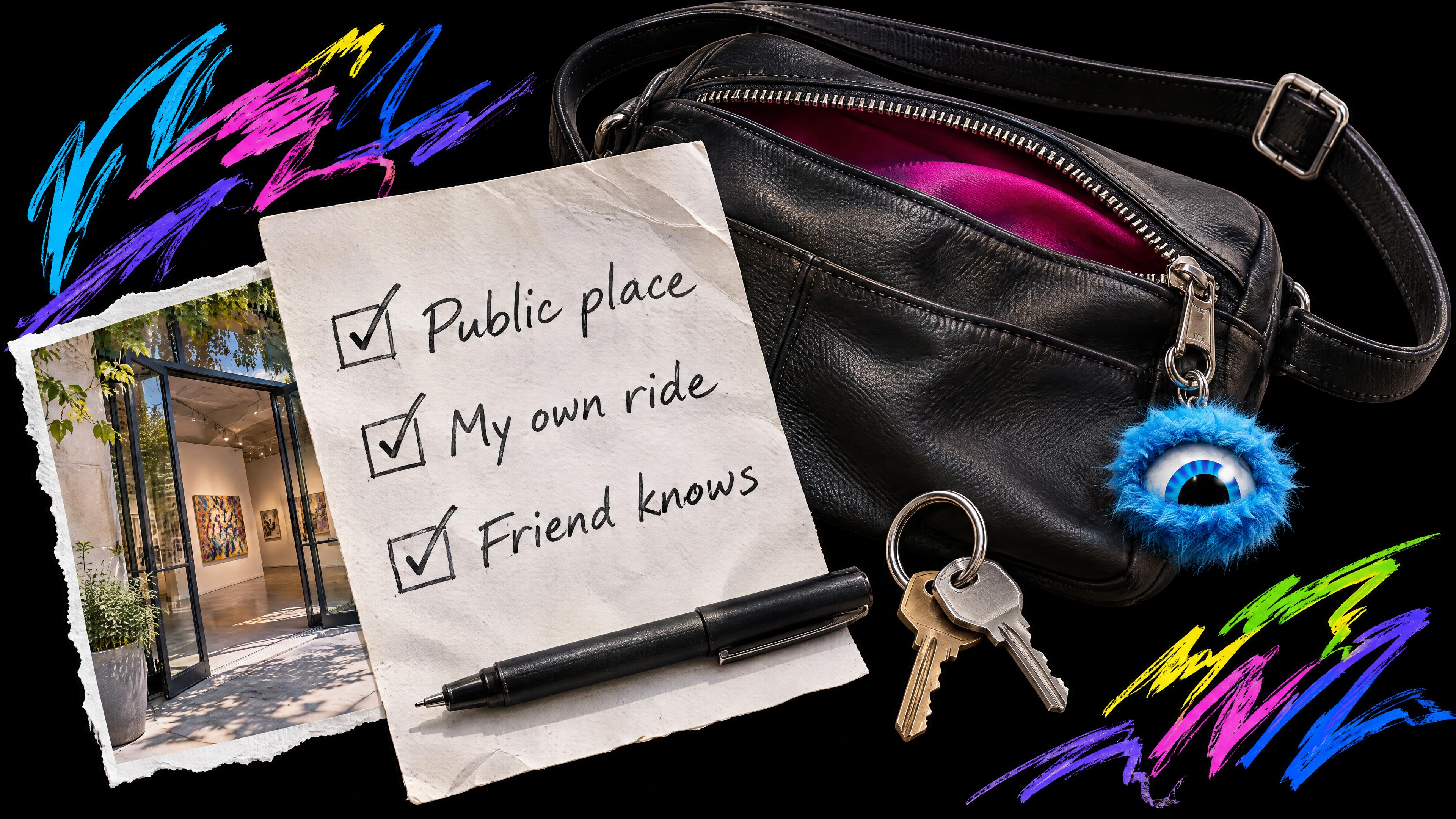
For a first meeting, choose a populated public place, tell someone you trust about the plan, and arrange transportation you control. These steps align with RAINN’s safer-dating guidance; they reduce some risks without guaranteeing safety.
Know when to stop carrying the conversation
A conversation does not have to become rude before you can leave it. Repeated minimal replies, no interest in anything you share, or consistently avoided plans can be enough for you to decide the exchange is not working.
You can simply stop initiating. If you would prefer to close it clearly, try:
“I don’t think we’re finding much of a connection, so I’m going to leave it here. Wishing you well.”
If someone pressures or harasses you, you do not need to send a closing message. Use the app’s available blocking and reporting options as appropriate.
Common questions about keeping a chat going
What should I say after a one word reply
Consider the context first. If the previous question invited a yes or no, add a related detail or ask a more specific follow-up. If several attempts have received minimal replies, give the other person room to contribute instead of inventing another topic.
How quickly should I reply
Reply when you have time and attention. There is no universal delay that demonstrates the right amount of interest. If you expect to be unavailable, a brief heads-up can help: “Busy day ahead, but I’ll get back to you tomorrow.”
Does a slow reply mean they are not interested
It can, but timing alone cannot establish that. Consider the quality and consistency of the exchange. You can also decide that someone’s communication pace does not suit you without labeling them uninterested.
If sending messages still feels uncomfortable, our guide to low-pressure dating app openers offers ideas for easing into a new conversation.
When you are ready to meet new people, explore Wink. Bring curiosity, share something real, and notice who helps the conversation move forward.
👉 Download Wink to explore connection with honesty, warmth, and ease.